Wednesday Wisdom
Zero-emissions home, sustainability tips, gardening, and DIY.
Seasonal Eating in Wisconsin — What It Actually Looks Like
Eating seasonally in Wisconsin isn't a food philosophy—it's just paying attention to what's actually good right now.
Read →A Meal Planning System That Actually Prevents Food Waste
Food waste isn't a composting problem—it's a planning problem. Fix the planning and you fix most of the waste.
Read →Make Your Own Beeswax Bags—Keep Homemade Bread Fresh Without the Plastic
I wanted to know if beeswax bags actually keep bread fresh. The only way to find out was to make some.
Read →Reusable Alternatives — What's Actually Worth It
Not every reusable swap is worth the hassle. Here's what I actually use, what I stopped using, and how to tell the difference.
Read →Mulching Strategies That Actually Work
The single biggest thing you can do for your garden in spring takes one afternoon and pays dividends all season long.
Read →Turning GF Bread into Breadcrumbs
Gluten-free bread is expensive. Don't throw away the ends, the imperfect loaves, or the slices nobody finished—turn them into breadcrumbs.
Read →Composting Basics: Turning Kitchen Waste Into Garden Gold
Americans send 30-40% of their food to landfills. A compost pile turns that same waste into the best soil amendment money can't buy.
Read →Raised Beds and Container Planting—More Space Than You Think You Have
You don't need a yard to grow food. You need containers, the right varieties, and someone to tell you about fertilizer before your plants look sad.
Read →2026 Seed Starting Season: What Survived, What Didn't, and What I'm Still Learning
A grow tent, the paper towel method, three organic pepper varieties, and a week of being too sick to check on any of it. Here's what my 2026 seed starting season actually looked like.
Read →Starting Seeds Indoors: Better Plants for a Fraction of the Cost
How to start tomatoes, peppers, and other warm-season vegetables indoors—from a sunny window to grow lights to a full grow tent. Zone 4b guide with timeline, setup options, and step-by-step instructions.
Read →Winter Sowing: Starting Seeds Outdoors While It's Still Snowing
Winter sowing uses recycled milk jugs as mini greenhouses to start seeds outdoors in winter. Zero electricity, zero equipment, and seedlings that never need hardening off.
Read →Garden Planning: The Spreadsheet That Runs Our Growing Season
A project manager's approach to garden planning—tracking varieties, spacing, succession planting, and harvest windows in a spreadsheet that prevents common mistakes.
Read →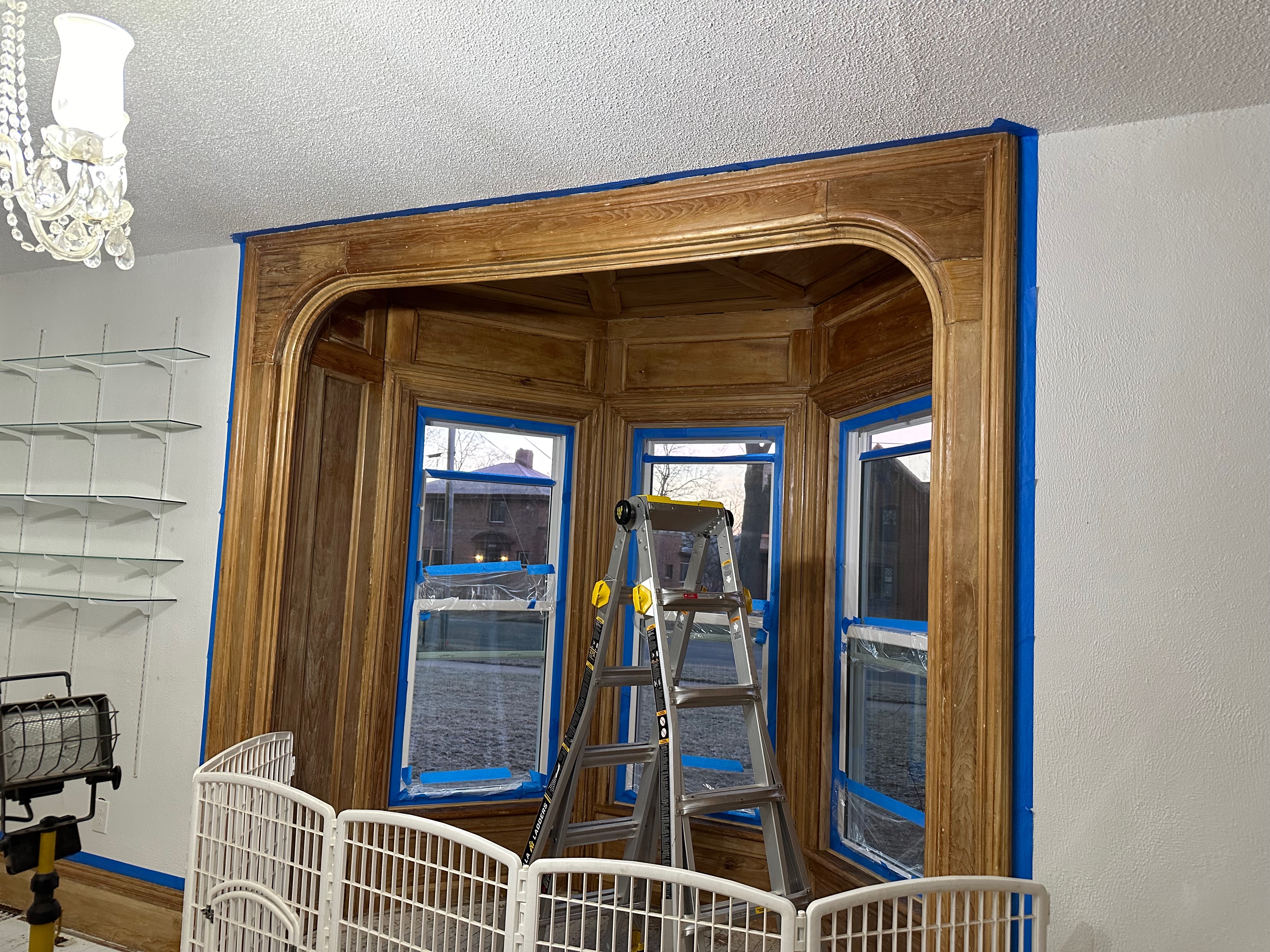
Stripping Paint from Wood Trim in a Historic Home
Restoring 150-year-old pine trim instead of replacing it—the tools, chemistry, and patience required to preserve original woodwork one layer of paint at a time.
Read →Two EVs, 30,000 Miles, Zero Gas Stations
Driving electric in rural Wisconsin—real range, real charging experience, and the range anxiety that never materialized after 30,000 miles across two vehicles.
Read →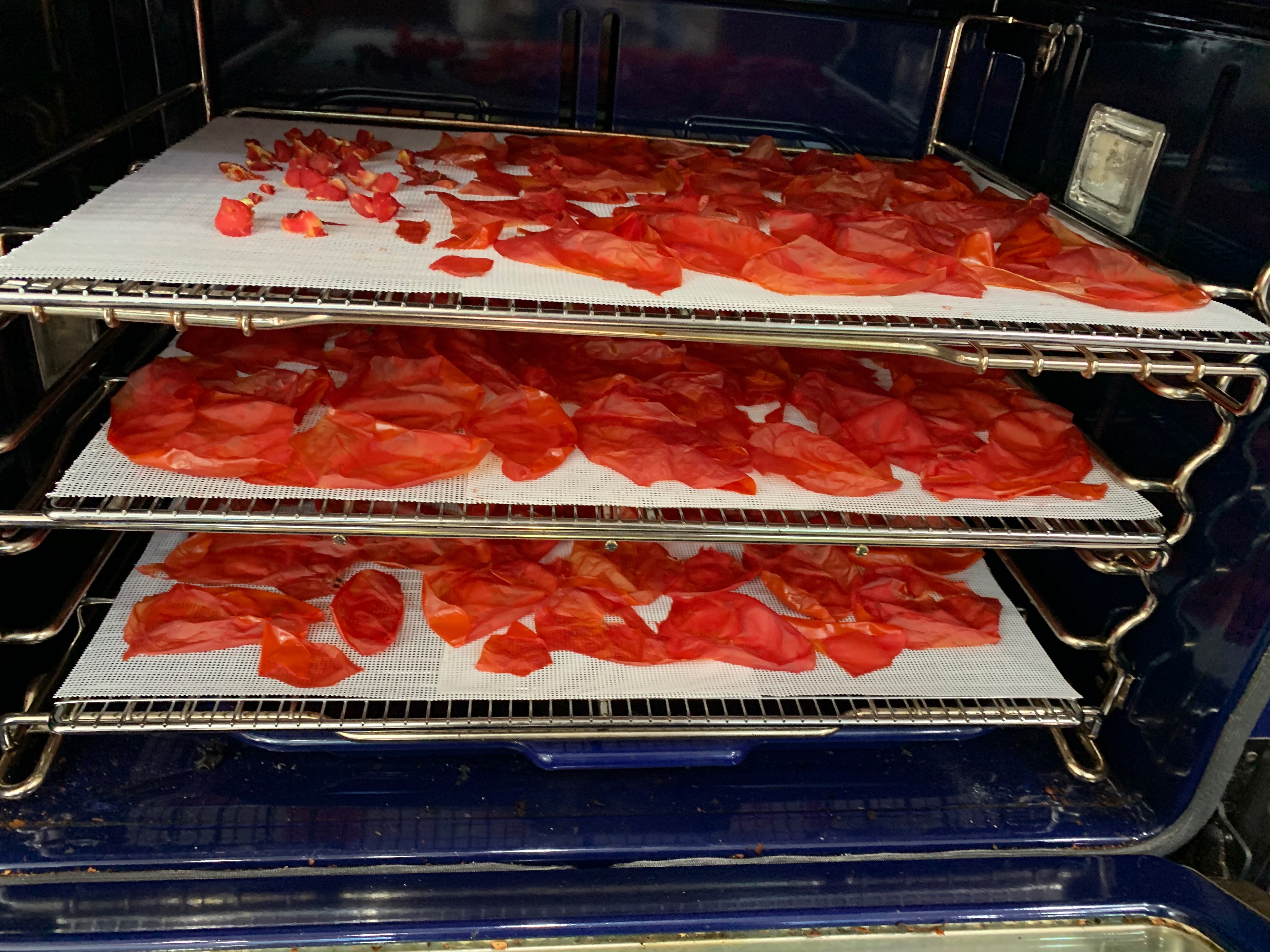
Turning Tomato Skins into Tomato Powder
Tomato skins from canning season are usually composted. Dehydrated and ground, they become concentrated tomato powder—free flavor from what you were already throwing away.
Read →Cardboard Boxes Aren't Trash—They're Free Weed Barrier
Landscape fabric costs $50+ per roll and creates plastic waste when replaced. Cardboard is free, suppresses weeds just as well, and improves your soil.
Read →The Freezer Bag System—Why I Haven't Bought Broth in Years
A gallon freezer bag turns kitchen waste into quarts of broth that beats anything from a store. How the bone-saving system works and why it pays.
Read →Kitchen Scraps to Broth
Onion ends, celery leaves, carrot peels—what most people throw away is the foundation of broth that costs $4-6 per quart at the store. Here's the system.
Read →Eggshells Aren't Trash—Here's How I Use Every One
Free calcium for your garden, slug deterrent, and compost accelerator—eggshells have multiple practical uses that keep them out of the trash entirely.
Read →Why We Preserve—Beyond the Savings
Home food preservation isn't nostalgia. It's control over ingredients, zero waste from garden surplus, and food that's genuinely better than store-bought for less money.
Read →Our Zero-Emissions Home: The Full Picture
A complete overview of our 1866 Wisconsin home's zero-emissions systems: 28.8 kW solar, geothermal HVAC, and two EVs—what we installed, what it cost, and what we learned.
Read →